Close to major gateways
Easy to pair with Haridwar, Rishikesh, Dehradun and even a Delhi long weekend.
Rajaji National Park is one of Uttarakhand’s most scenic wildlife destinations, known for forest trails, elephant movement, birdlife and peaceful jungle safari routes. Located near Haridwar, Rishikesh and Dehradun, it offers a refreshing nature escape for families, travellers and wildlife lovers.
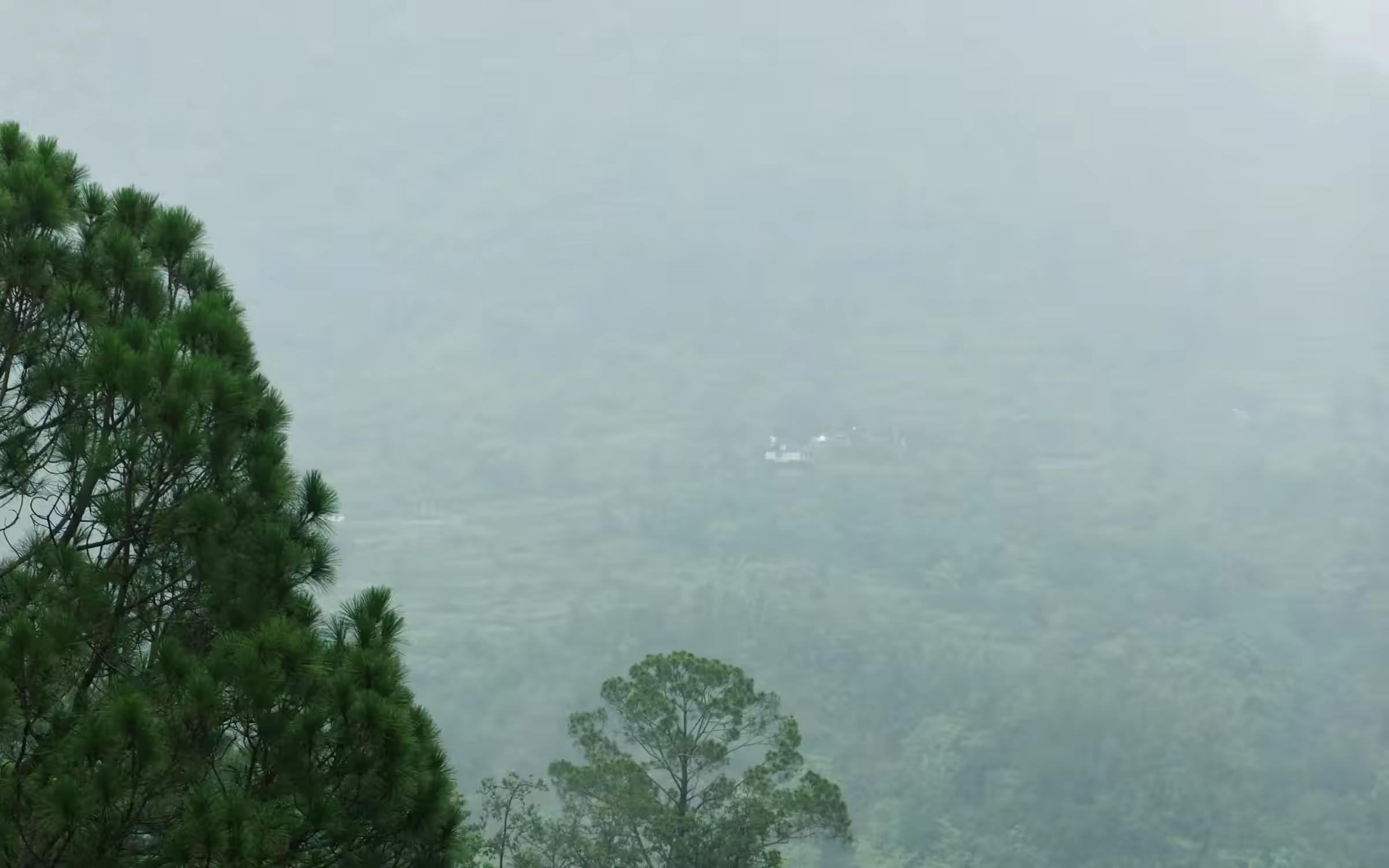
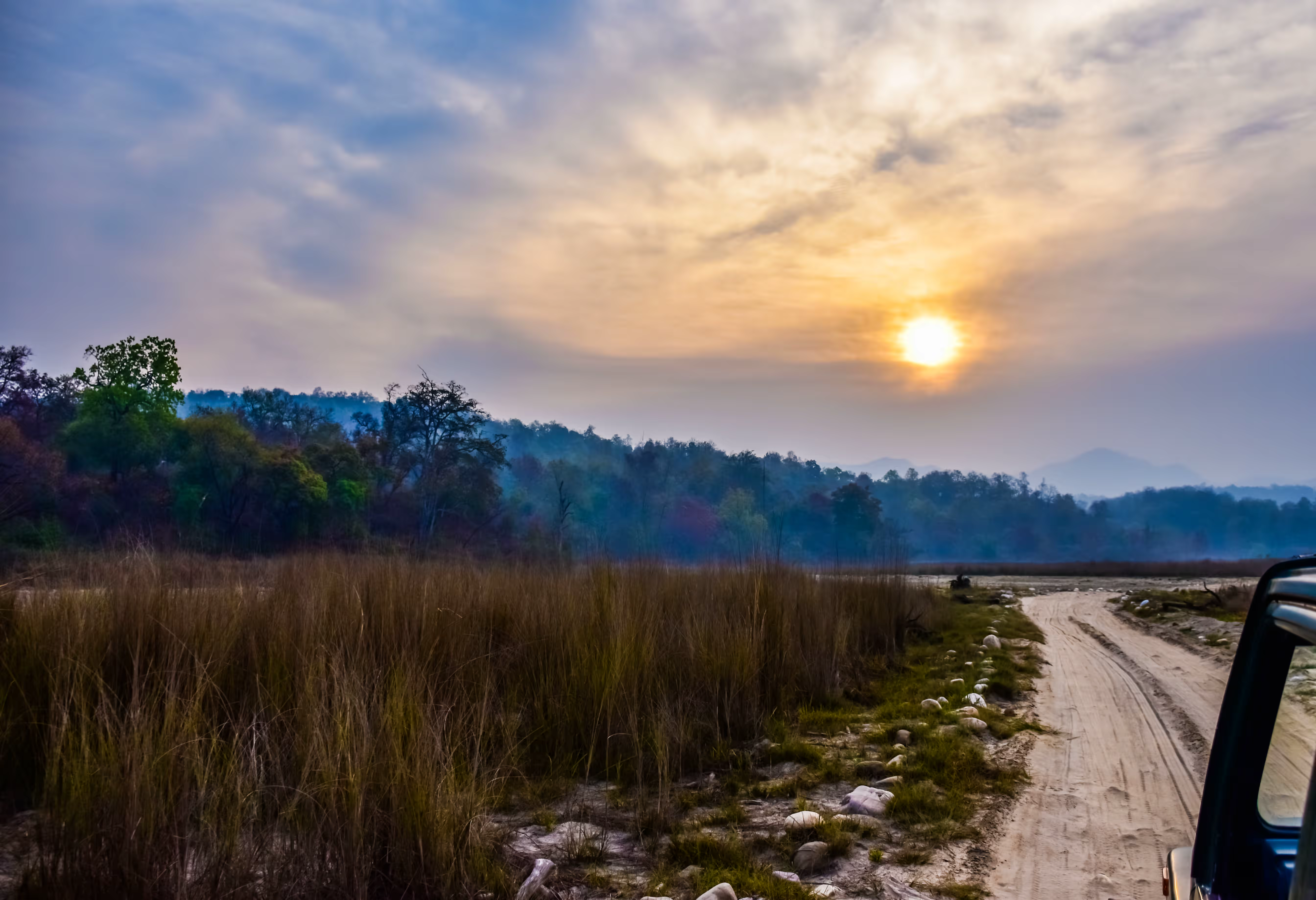
Rajaji feels premium because the landscape itself feels cinematic: open jeep tracks, forest hush, raw terrain and wildlife movement that keeps every drive different.
Easy to pair with Haridwar, Rishikesh, Dehradun and even a Delhi long weekend.
Sal forests, grassland pockets, seasonal streams, riverbeds and foothill views shape the safari mood.
Elephant presence is one of the strongest reasons travellers choose Rajaji over a simpler forest outing.
Rajaji rewards patience, observation and people who enjoy the whole jungle experience, not only one animal.
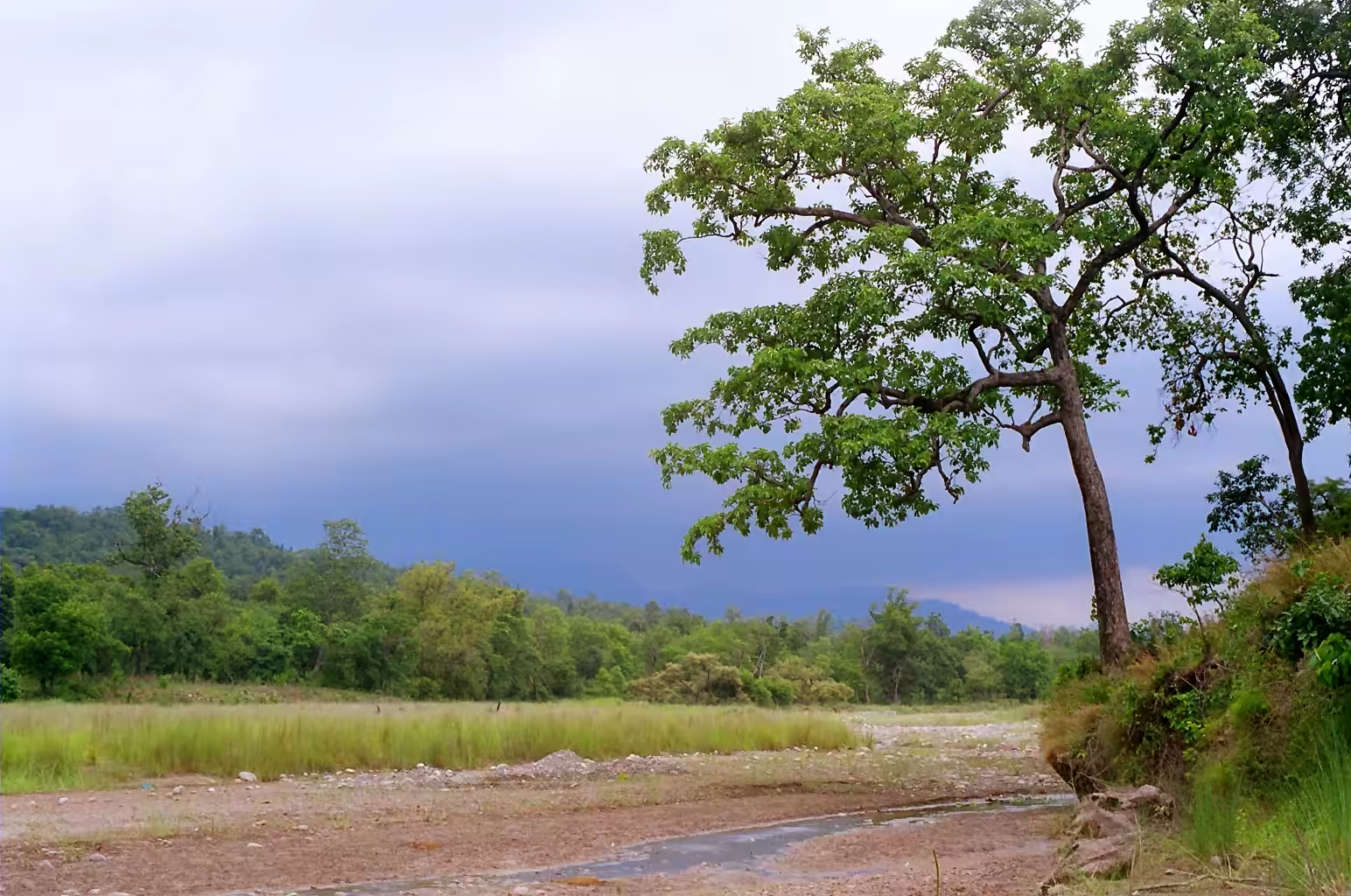
Rajaji National park sits across the Shivalik belt and the upper Ganga foothill landscape, which gives it a different texture from many flatter safari destinations. Forest roads can quickly change from dense green shade to exposed riverbed, then open into quiet stretches where deer, langurs or birds suddenly animate the scene.
This range of habitat is why Rajaji appeals to travellers who want more than a checklist experience. It works beautifully for people who like photography, birdlife, changing terrain and the chance to feel the forest settle around them as the jeep moves deeper inside.
The park's story is not only about tourism. It is deeply tied to habitat protection, elephant movement and the safeguarding of a very important forest belt in northern India.
The Chilla, Motichur and Rajaji sanctuary areas were recognised as valuable wildlife habitat in the Shivalik foothills long before they were formally joined together.
The park was formed by combining Chilla, Motichur and Rajaji wildlife sanctuaries, and was named after freedom fighter C. Rajagopalachari, widely known as Rajaji.
Rajaji became increasingly important in wider conservation discussions because of its role in supporting elephant movement and linking forest habitat across the region.
Rajaji's conservation value was further strengthened under the Rajaji Tiger Reserve identity, supporting both tiger habitat management and the broader forest ecosystem.
Most safari planning starts with the city you are already staying in. The Chilla side is often easiest from Haridwar and Rishikesh, while Dehradun travellers may look at other workable approaches depending on current zone status and reporting time.
Distances can vary by hotel location, chosen gate and road condition, so use the figures below as practical planning guidance rather than exact promise.
Approx. 15 to 20 km to the Chilla side
Haridwar is one of the easiest bases for Rajaji. Early morning safari planning from here is common and practical.
Approx. 30 to 35 km depending on the route
Very popular for travellers who want to combine yoga, river time and one premium jungle outing.
Approx. 55 to 65 km to common visitor approaches
Good for weekend travellers and families who want a safari day plan without a long transfer from another state.
Approx. 230 to 260 km to the region
Usually planned as a road trip or by coming first to Haridwar, Rishikesh or Dehradun and then doing safari support locally.
That visual variety is one of the biggest reasons the park feels memorable even on days when wildlife stays hidden in the forest.
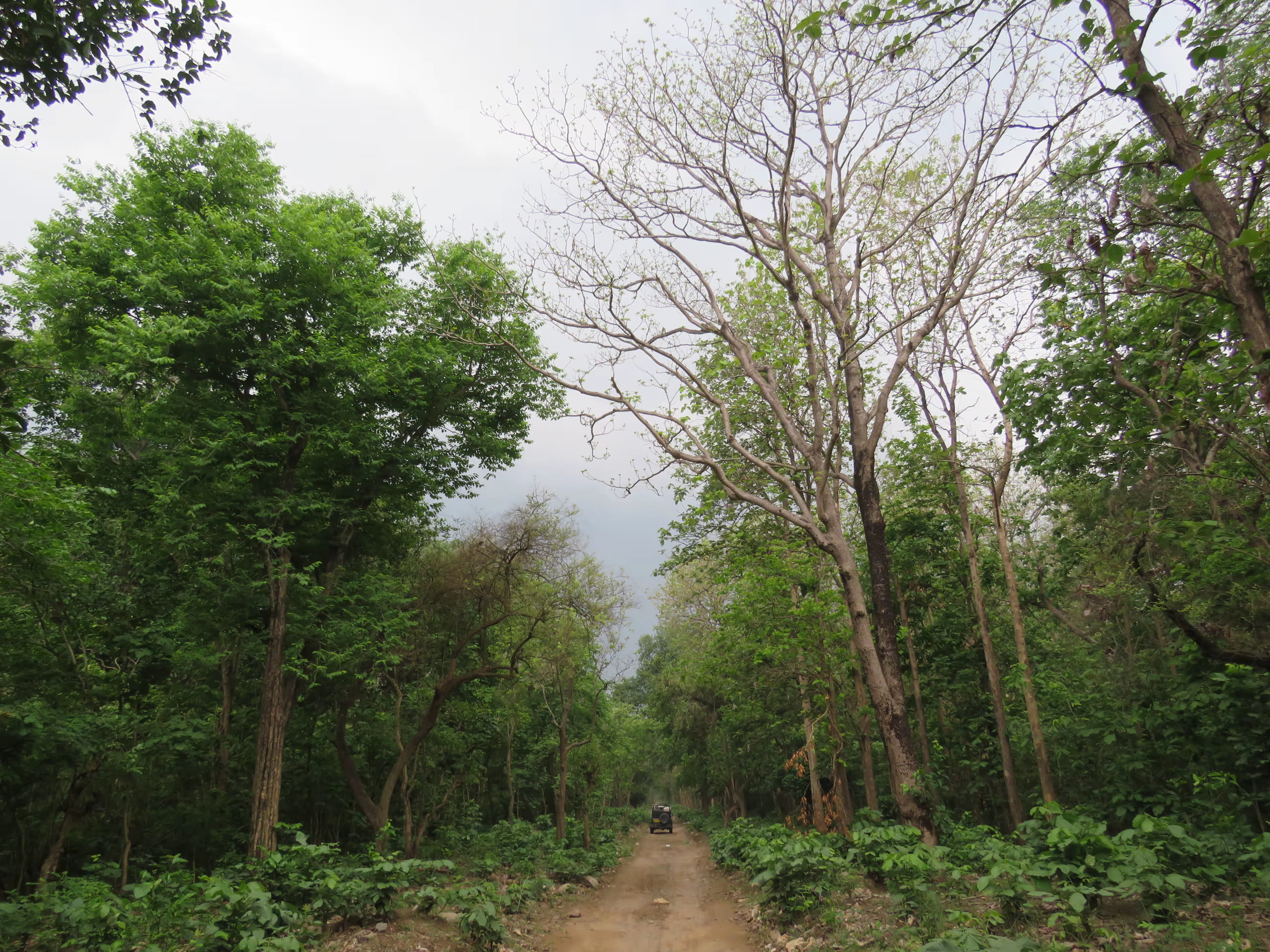
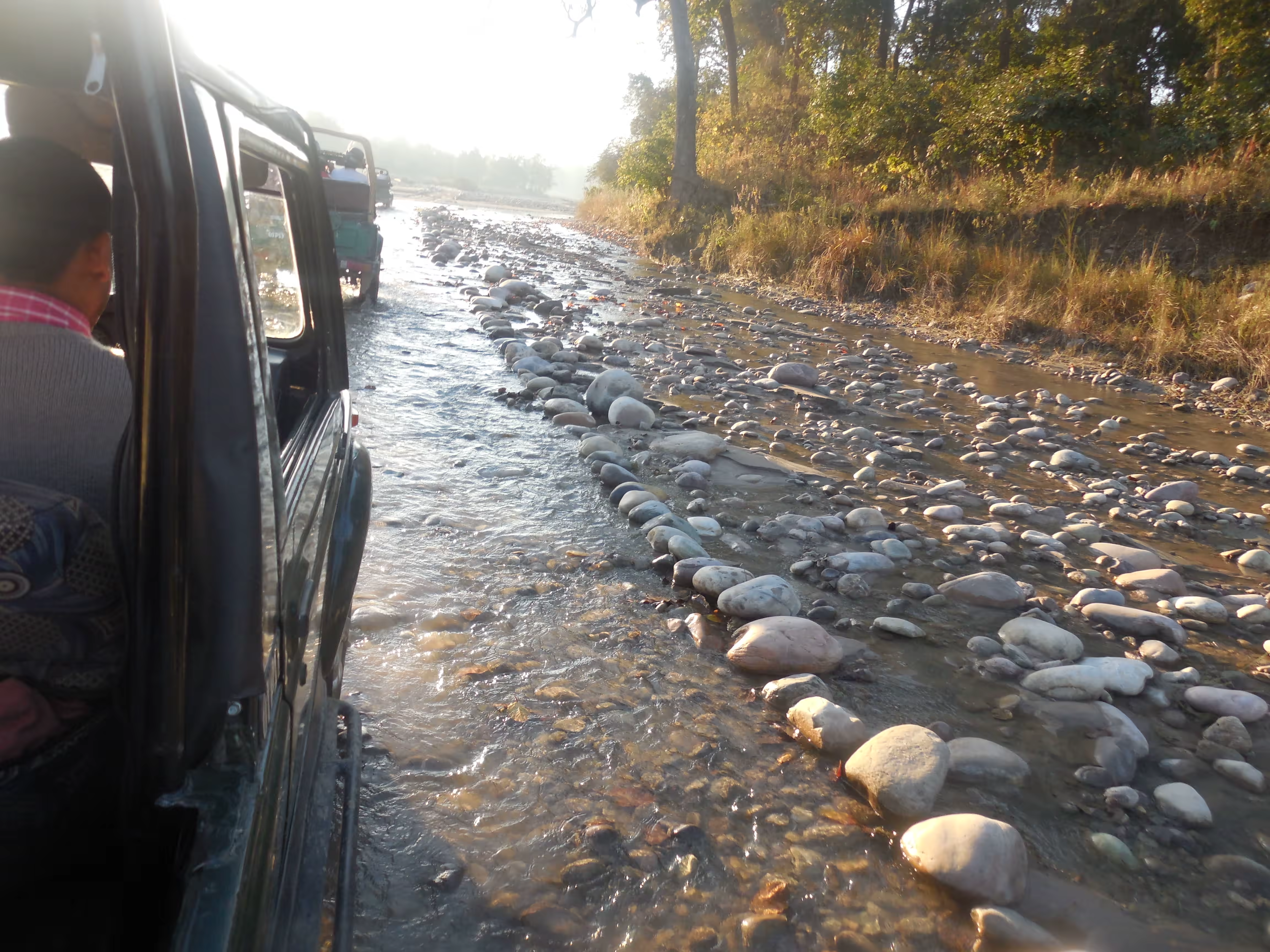
Rajaji rewards visitors who stay alert to movement, sound and habitat. The forest can suddenly shift from stillness to real action in a matter of seconds.
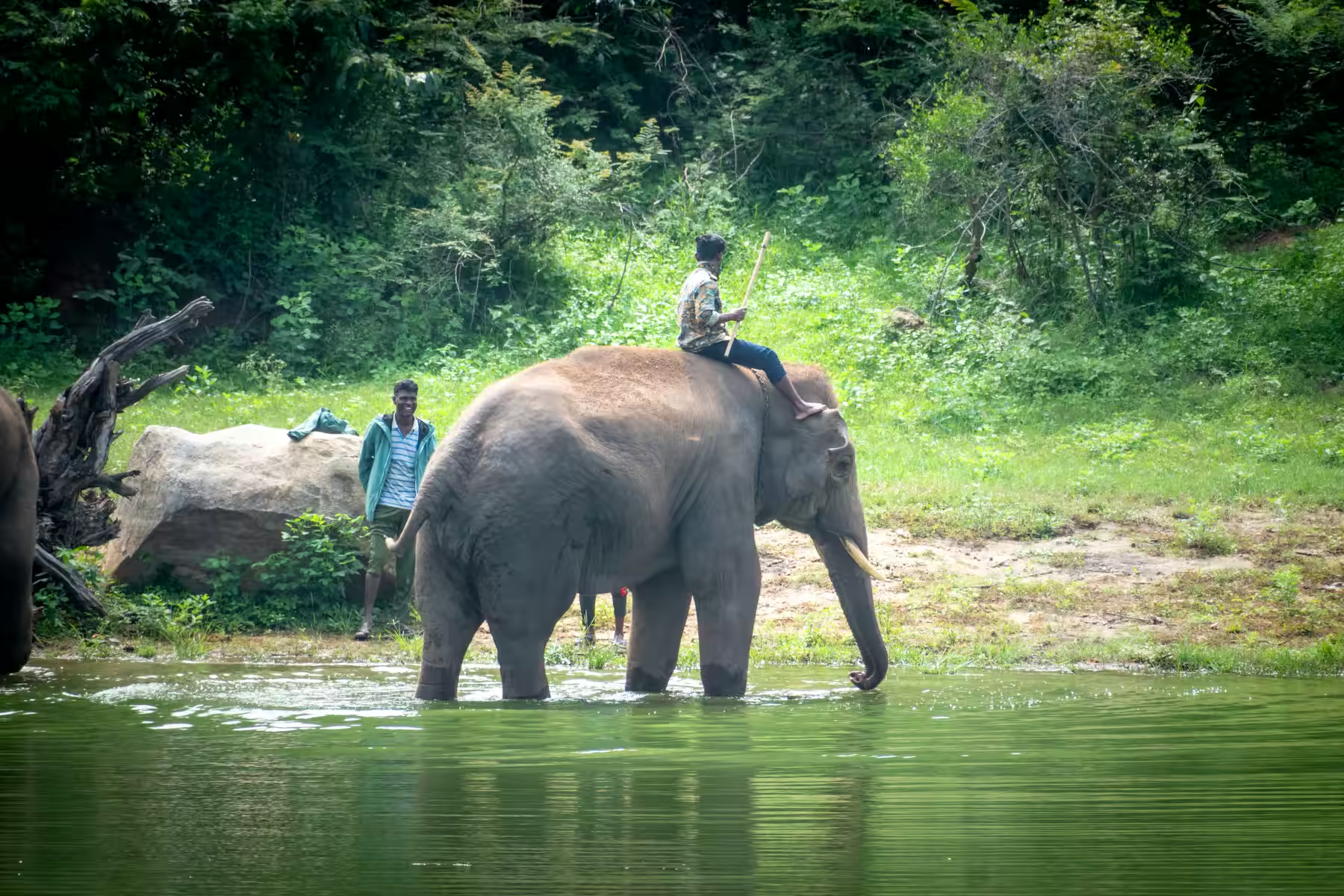
The emotional centre of Rajaji for many visitors. Elephant movement gives the park much of its identity and drama.
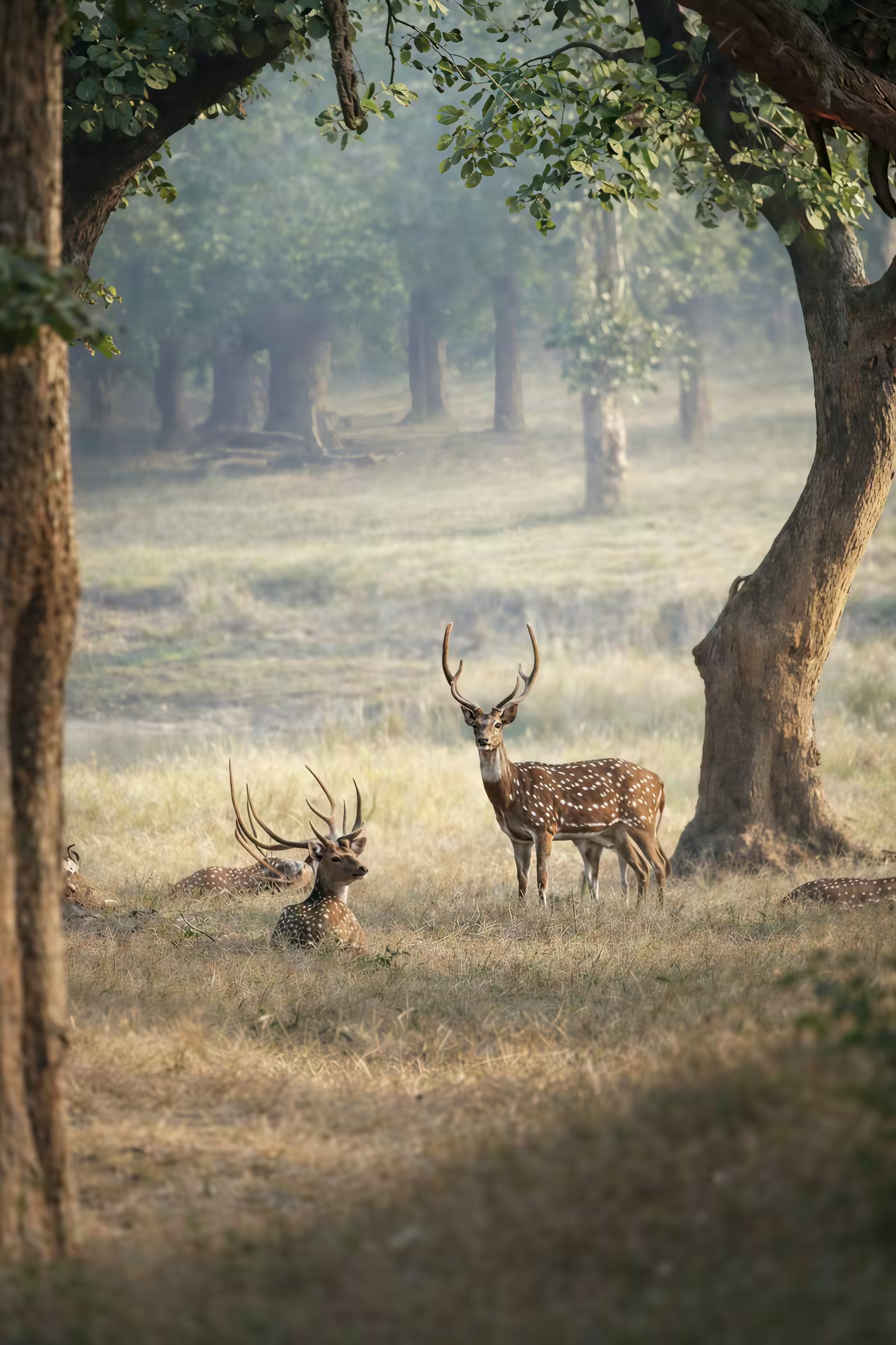
Spotted deer and sambar help bring life to clearings, forest edges and quiet track sections.
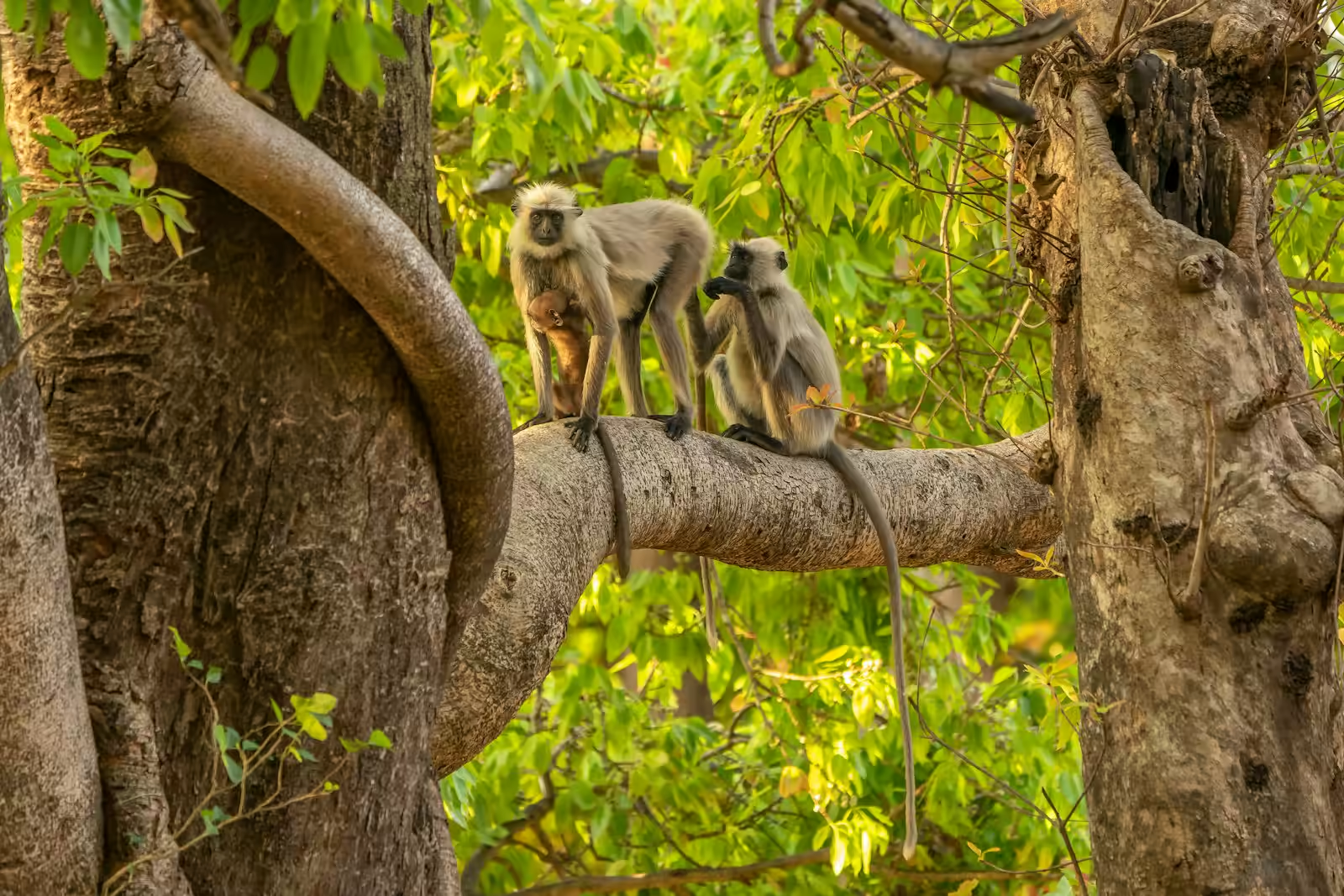
They are often the first visible sign that the forest is waking up around you.
Leopards are part of the larger landscape, but sightings are rare and should be treated as a lucky bonus.
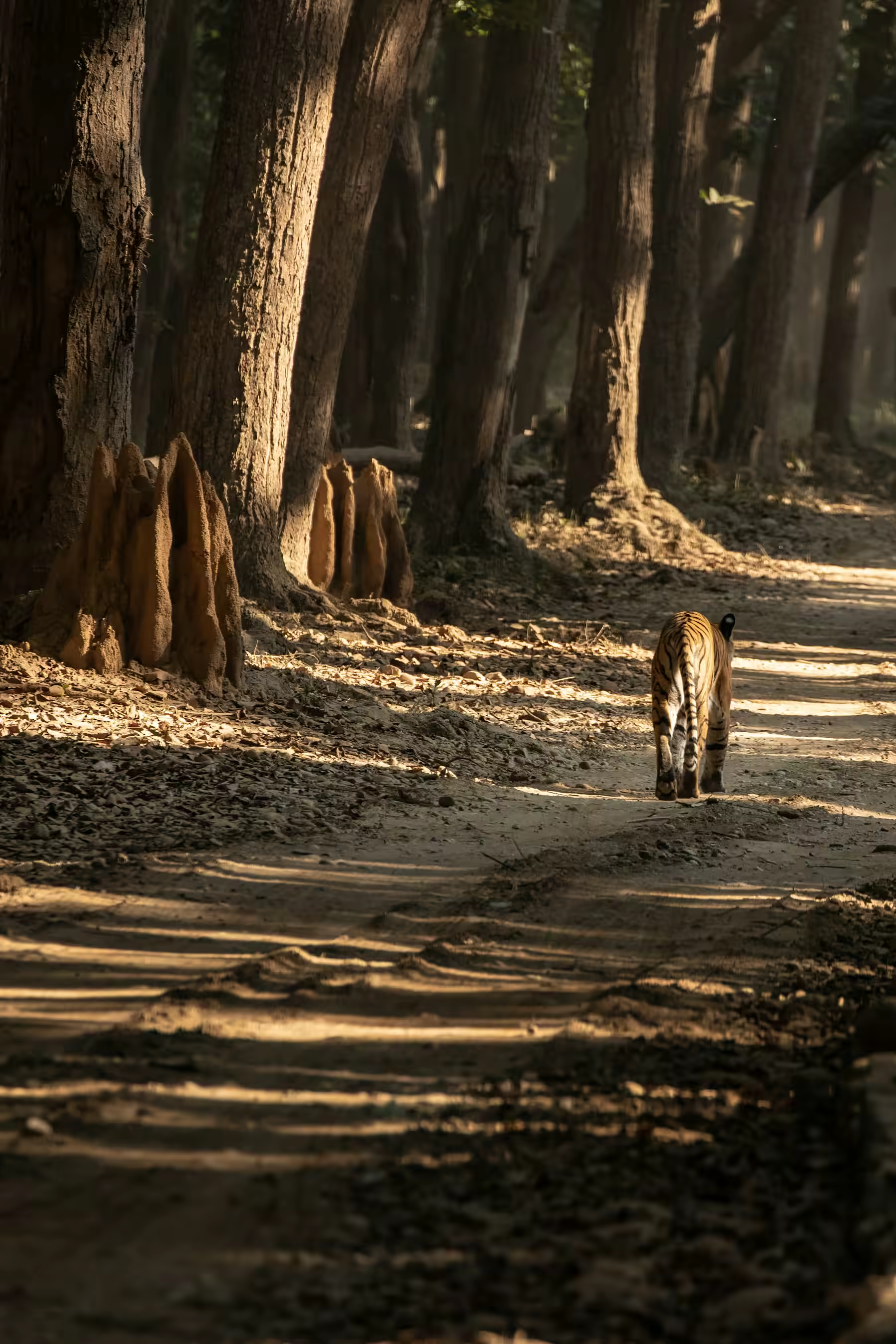
Rajaji is part of a tiger reserve landscape, but tiger sightings remain uncommon and never guaranteed.
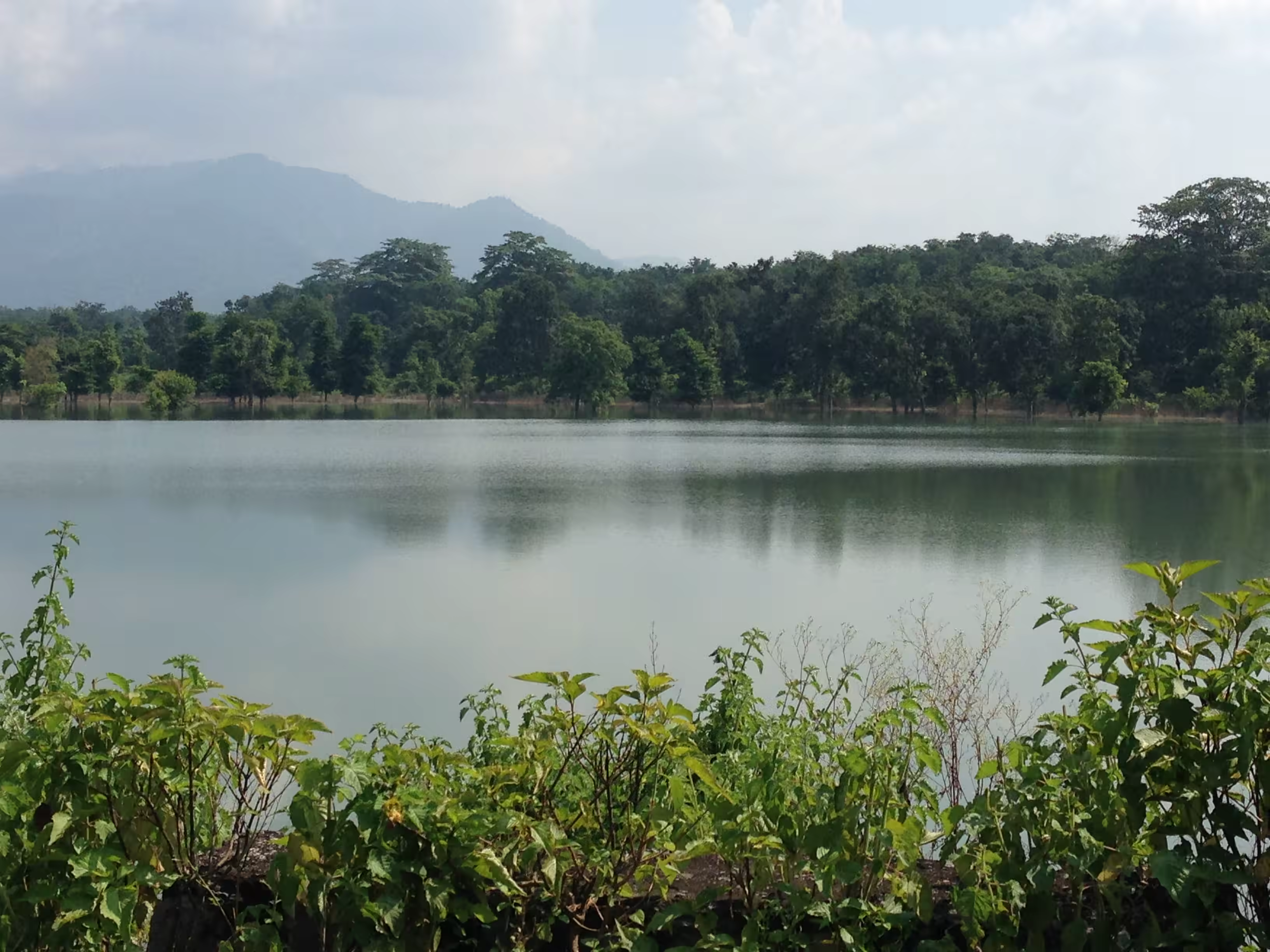
Birders appreciate how different habitats support different species through the year, especially near open patches and wetter stretches.
When people talk about Rajaji with affection, elephants usually come up first. The park lies within one of northern India's important elephant landscapes, and that gives every safari a sense of anticipation.
Birdlife adds another layer to the safari. Forest birds, wetland-side species and open-country calls can make even a slow wildlife drive feel full and alive.
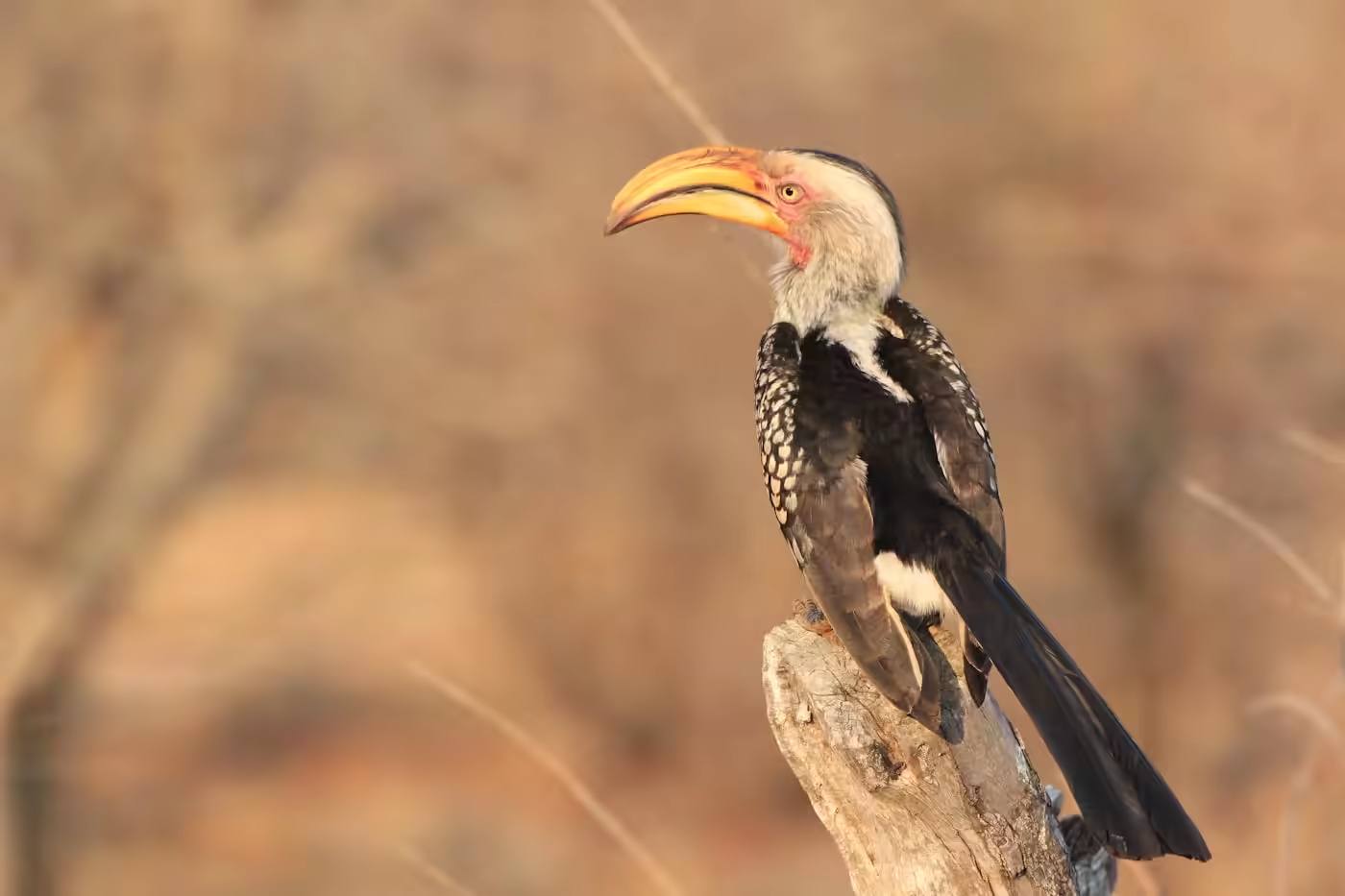
Operational status can change, so the best zone is not always the same for every visitor or every date. Think of these five as the main planning personalities inside the Rajaji safari conversation.
Usually the first choice for many Haridwar and Rishikesh travellers because it is scenic, familiar and often easiest to discuss in booking plans.
Appeals to travellers who like a quieter forest-side mood and want to check what is currently practical.
A useful zone to ask about from the Haridwar side, especially when route practicality and timing matter.
Interesting for birding-minded travellers and visitors who enjoy a softer wetland and habitat-led experience.
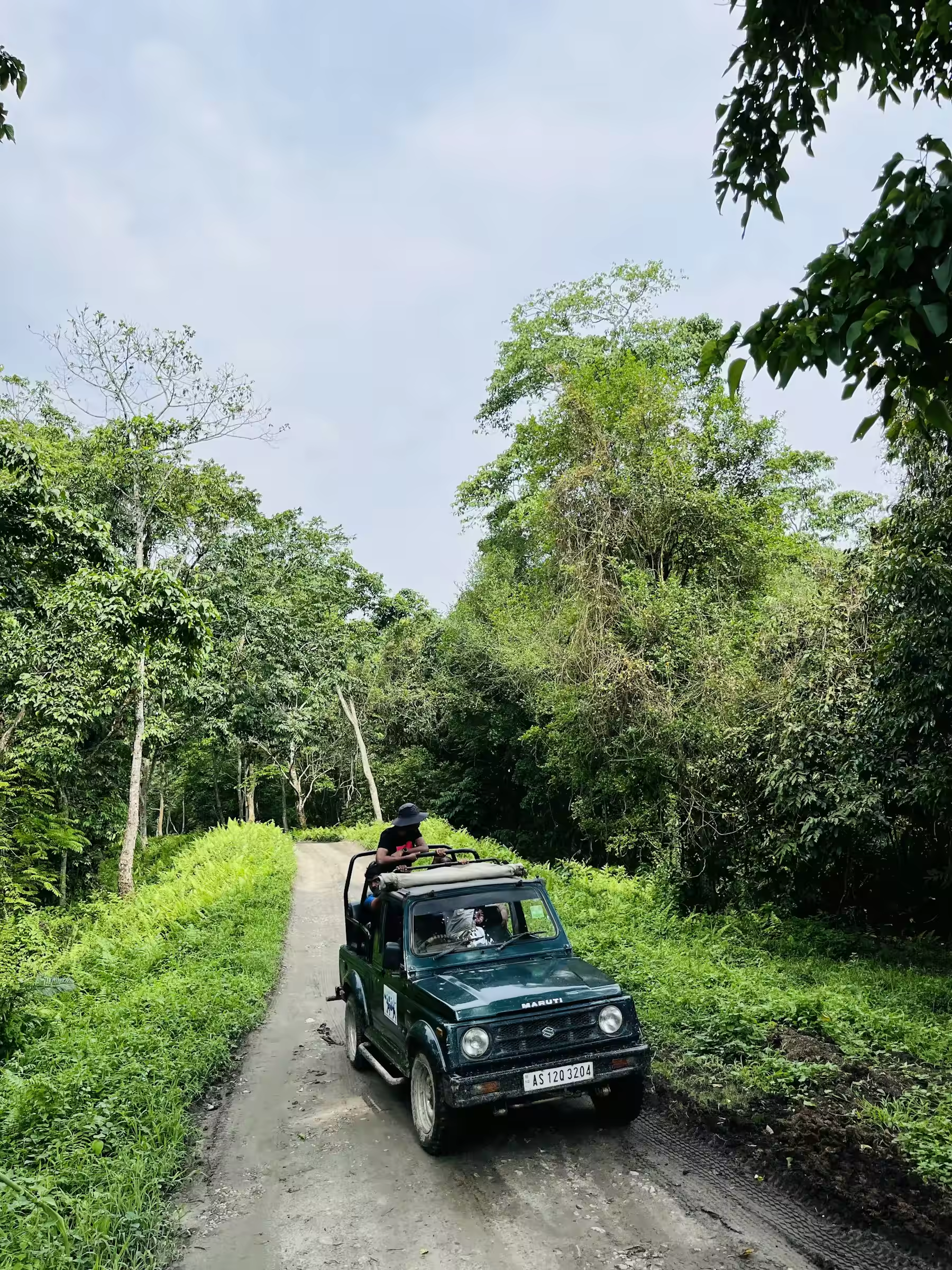
Often relevant in Dehradun-side planning and broader safari discussions for travellers coming from that direction.
Expect a mix of anticipation and calm. A good safari here is built from little moments: light through dust, a warning call, a fresh track, movement in tall grass, langurs watching from high branches, or a sudden elephant crossing.
Plan My SafariThe best time depends on what you value most: comfortable weather, rich green texture, photography light or a clearer sense of animal movement.
Great for visitors who want the forest looking revived after the monsoon period and temperatures staying pleasant.
Beautiful morning atmosphere, soft light and a calm mood. Carry warm layers for early reporting time.
A balanced time for families and photographers who want drier tracks without the peak of summer heat.
Dry conditions can shape animal movement differently. Start early, stay hydrated and expect stronger sun.
Works naturally with Haridwar, Rishikesh and Dehradun itineraries.
The shift from city movement to forest stillness happens quickly and feels refreshing.
Tracks, dust, light, branches, riverbeds and long views make the park highly photogenic.
Even without a headline sighting, the forest often stays active with smaller, meaningful moments.
It feels adventurous without demanding a very remote expedition-style trip.
Rajaji is the kind of safari that leaves you remembering the whole mood, not only the checklist.
The forest is not a theme ride. A premium safari experience comes from patient behaviour, lower noise and letting the landscape lead the pace.
© 2026 Rajaji National Park. Private safari information & booking assistance.