Habitat-first planning
Best for visitors who like the idea of building the safari around ecological mood and observation style.
Jhilmil Jheel and the wetland side of Rajaji National park appeal to travellers who enjoy a softer, more habitat-led forest experience. This is often the zone conversation for people who notice birds, wetland character, light and photography opportunities as much as safari route identity.
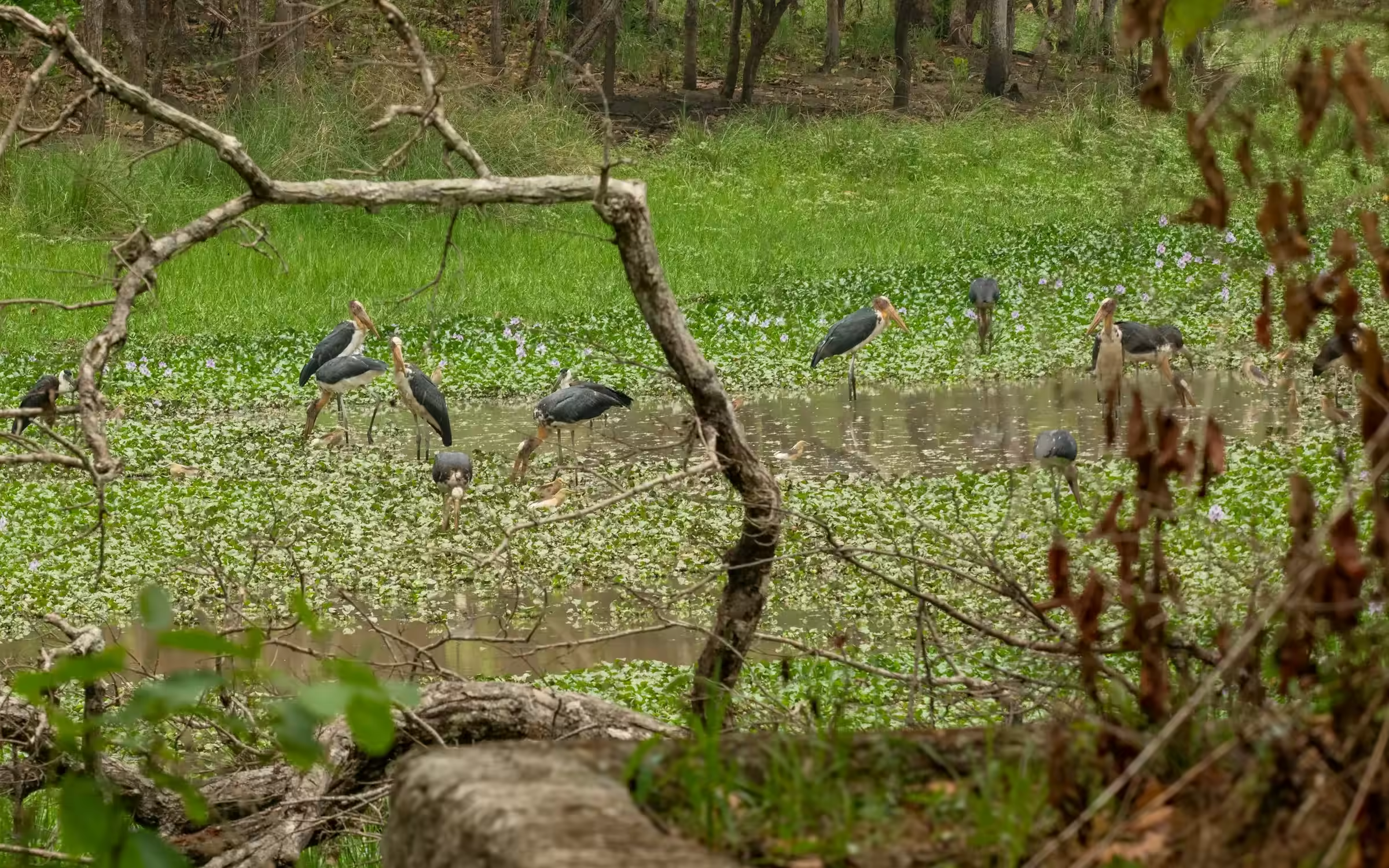
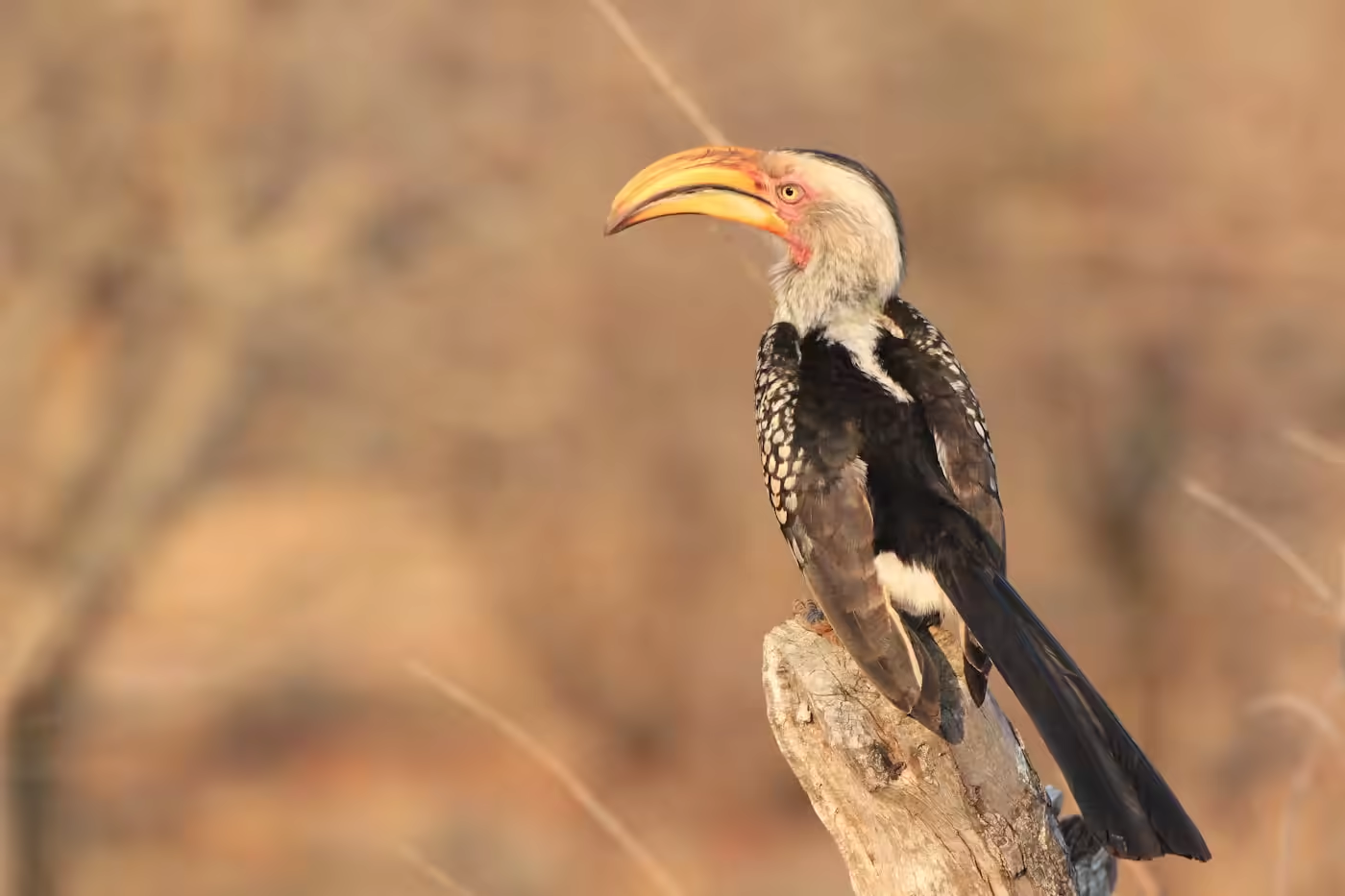
Jhilmil Jheel and the wetland side of Rajaji stand out because the ecological mood feels different. Visitors who enjoy birdlife, quieter observation and a more habitat-sensitive safari conversation are often the ones who ask about Jhilmil first.
It can feel especially rewarding for photographers, birdwatchers and travellers who have already seen more standard safari routes elsewhere and want a subtler, more layered natural experience.
Why this zone is considered
Jhilmil does not usually lead the conversation through name recognition alone. It stands out because of what kind of experience it suggests.
Travellers interested in ecology and habitat change often find Jhilmil especially appealing.
Birders and soft-observation travellers are often more drawn to this side than to the most standard safari expectations.
The visual mood can feel gentler, more atmospheric and rewarding for patient photographers.
This zone makes the most sense when your main goal is not only to pick the most popular route, but to explore a different ecological side of Rajaji with birdlife and wetland character in mind.
Best for visitors who like the idea of building the safari around ecological mood and observation style.
Strong when your safari expectations include stillness, waiting, listening and paying attention to detail.
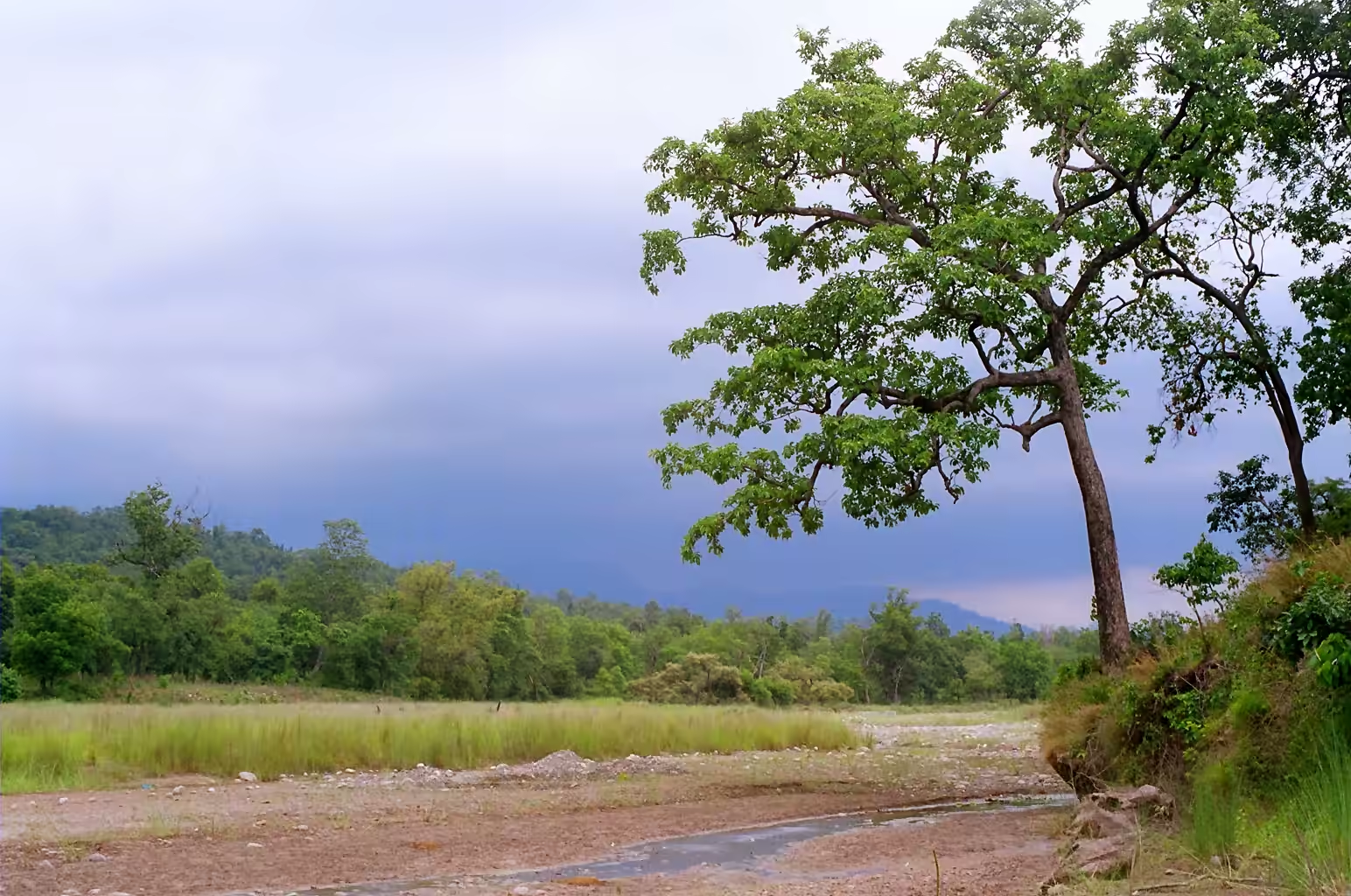
Jhilmil is often attractive because it broadens what people imagine Rajaji safari can feel like. The zone conversation becomes less about standard tracks alone and more about habitat diversity and observation quality.
Wildlife possibility
Wildlife remains unpredictable, but the habitat character here naturally makes birdlife and ecological observation part of the value of the trip.
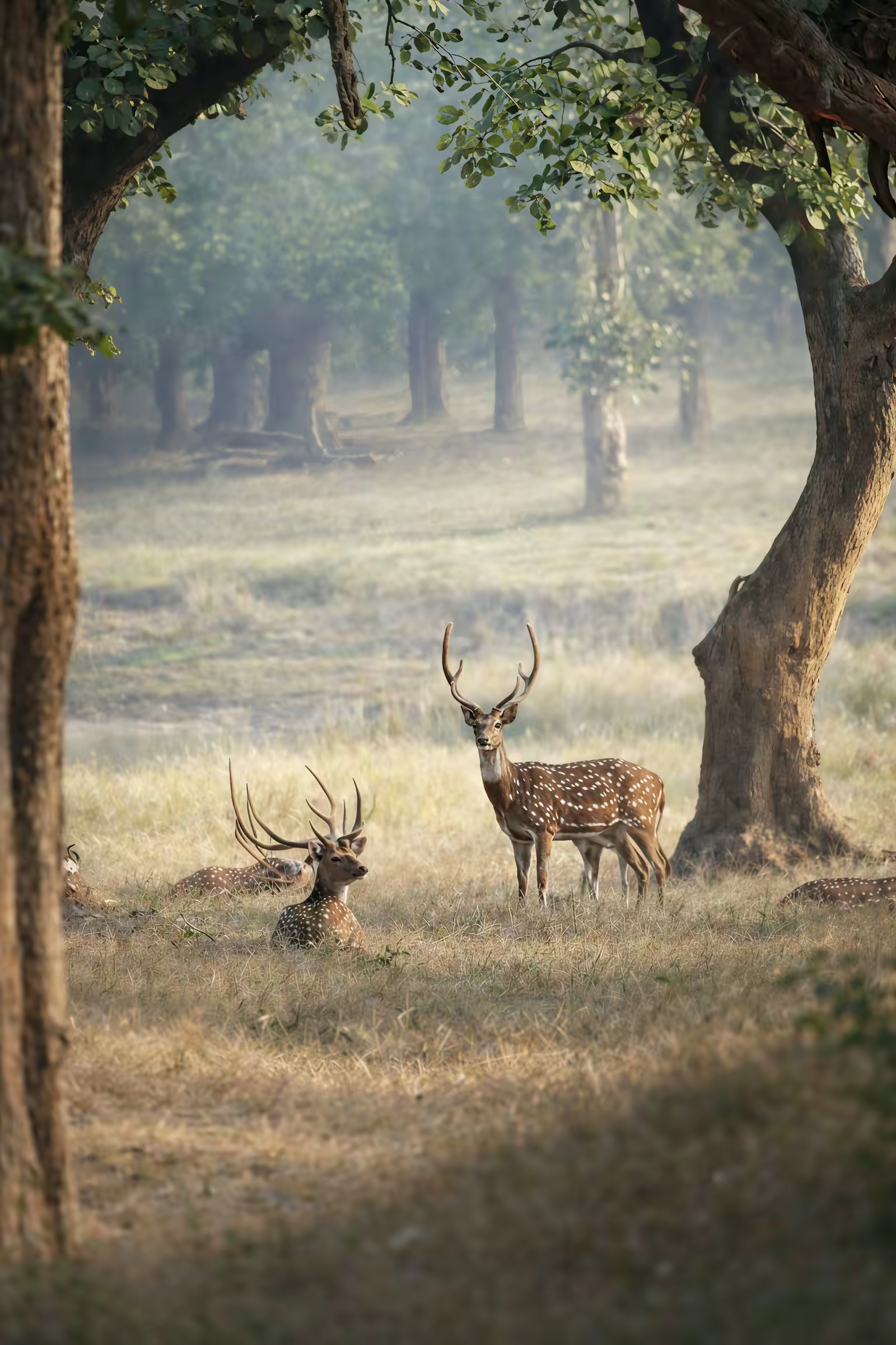
The landscape, sound, patience and natural movement all shape the value of the safari. The best zone choice is the practical one that still matches the kind of experience you want.
Jhilmil often enters the conversation because of its birding potential and wetland-linked ecological mood.
Gentler wildlife moments can still make the experience feel rich even without dramatic sightings.
Visitors often enjoy the sense that the landscape itself is part of what they came to see.
Soft light, stillness and subtle movement can make this zone especially satisfying for patient photographers.
Who should choose Jhilmil
Use these cues as a practical decision aid before you check live availability and planning details.
Best when you enjoy looking and listening carefully rather than rushing for one sighting.
A good fit if ecological variation is part of the experience you want.
Strong for a softer and more atmospheric visual language.
Best when you are comfortable choosing a specialised zone according to current practicality.
© 2026 Rajaji National Park. Private safari information & booking assistance.