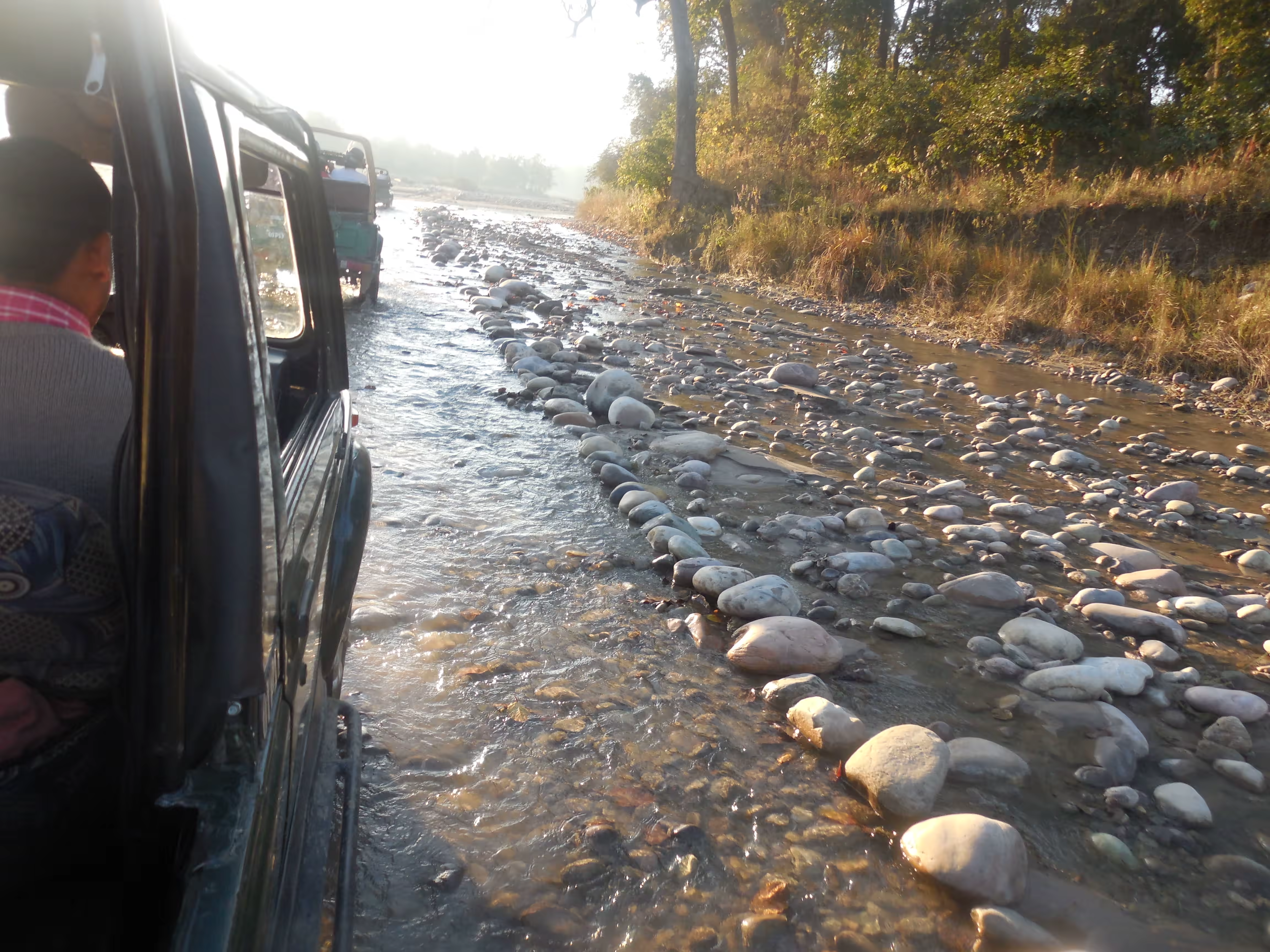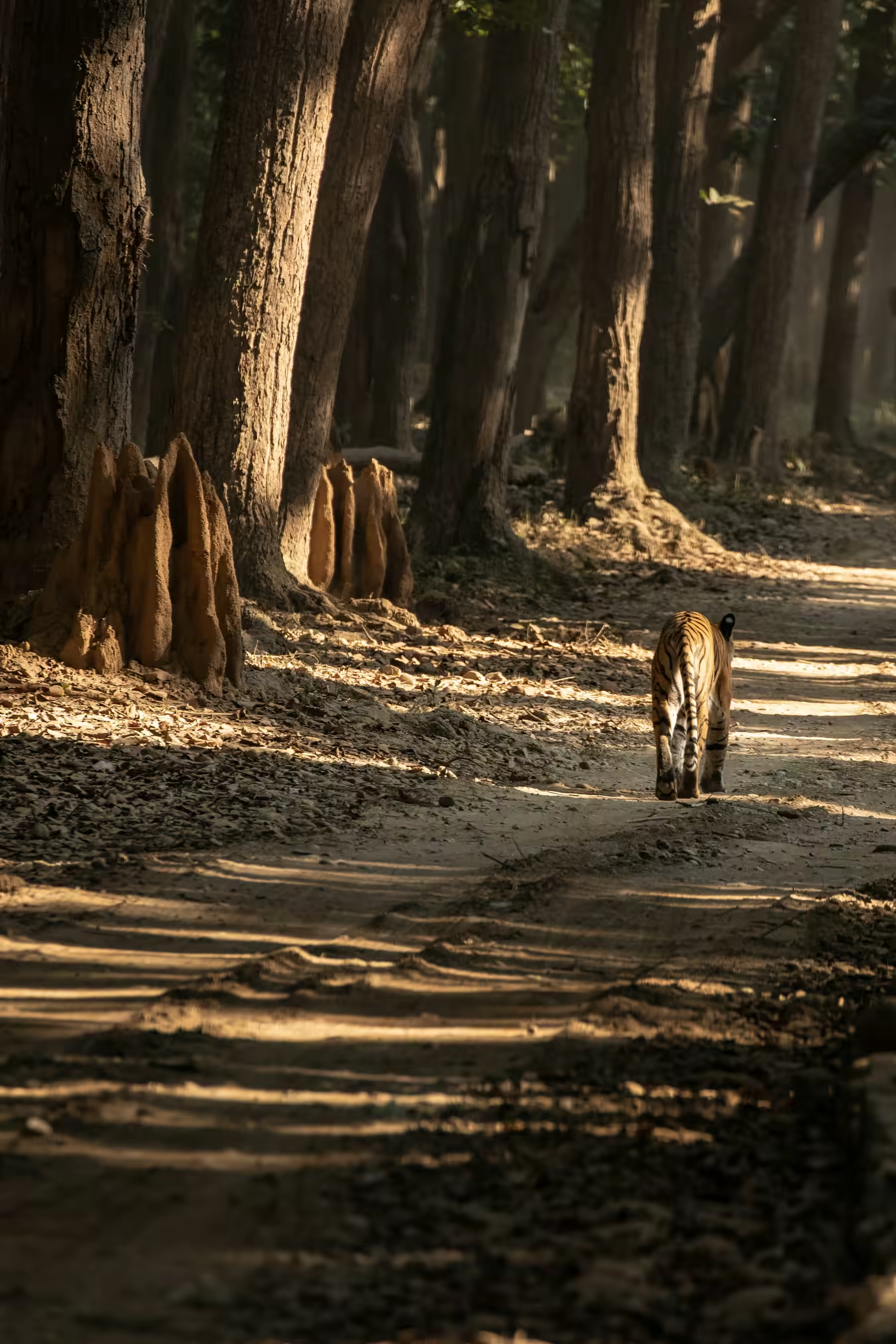
Bengal Tiger Habitat
Rajaji is part of a tiger reserve landscape, but tiger sightings are rare and should never be treated as standard expectation on a safari.
Rajaji National park covers around 820 sq km of Shivalik forest across Haridwar, Dehradun and Pauri Garhwal. Established in 1983 and declared a Tiger Reserve in 2015, it is now widely recognised for its elephants, birdlife and large protected forest landscape.
Flagship wildlife
The park is best known for its elephants, but the complete wildlife experience also includes cats, herbivores, primates, reptiles, birds and habitat diversity across the broader forest system.
The species most strongly associated with the park's identity and atmosphere.
A major reason Rajaji appeals to birdwatchers and photographers.
Including deer species, leopard, tiger habitat, langur and wild boar.
An important conservation milestone for the broader landscape.
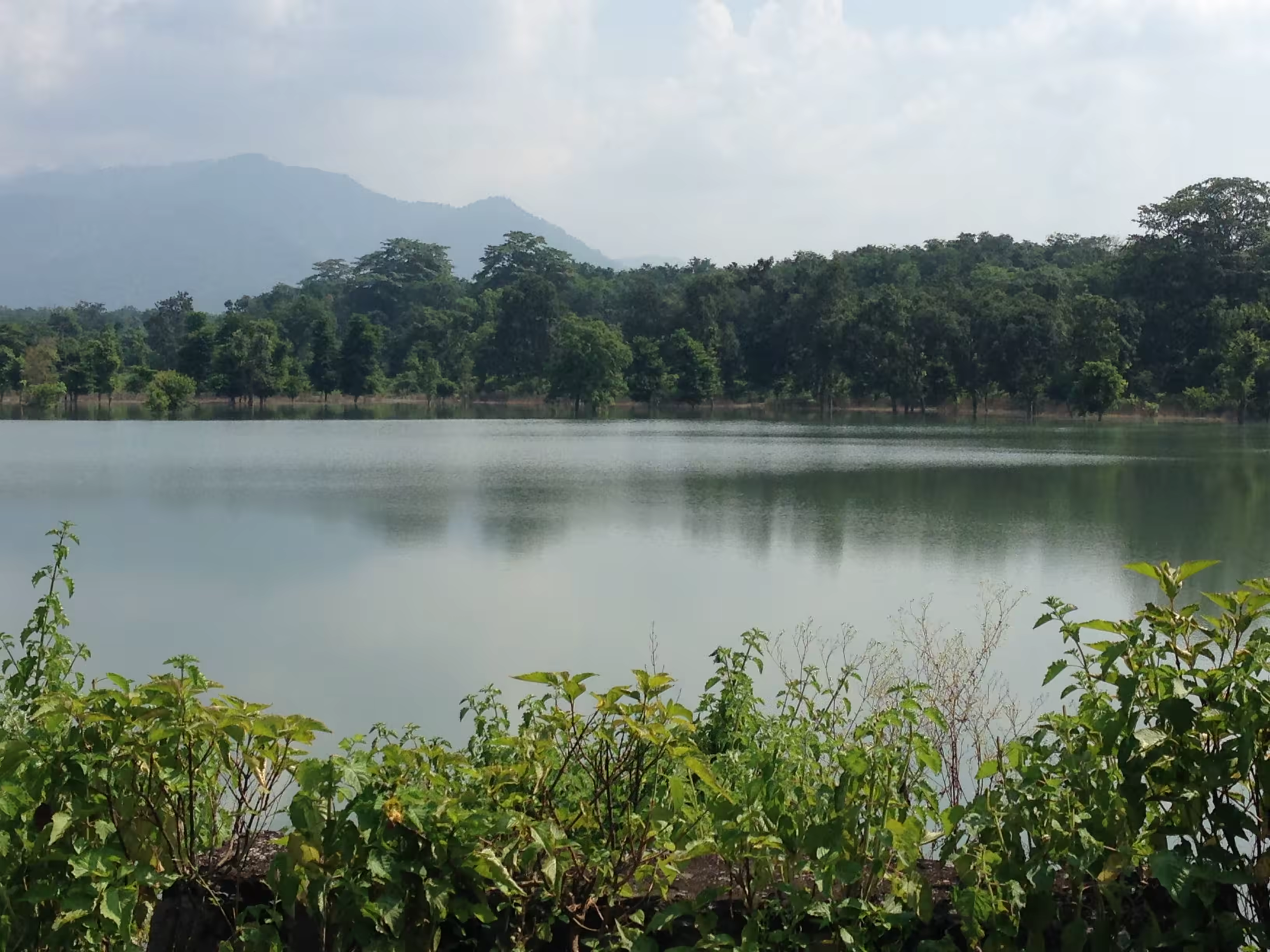
Rajaji is one of the best-known elephant landscapes in North India. Even when visitors do not see elephants directly, their presence shapes the feeling of the forest, the route logic and the whole identity of the safari.
Elephants are not just a popular sighting target in Rajaji. They are one of the reasons this landscape feels so alive and so important. The park's forest corridors and river-edge routes are deeply tied to elephant movement.
That is also why visitors are often advised to enjoy the full safari experience rather than fixating on one guaranteed sighting. In Rajaji, even the possibility of elephant movement can change how the whole forest feels.
Big cats, herbivores and everyday forest movement
Rajaji is part of a tiger reserve landscape, but tiger sightings are rare and should never be treated as standard expectation on a safari.
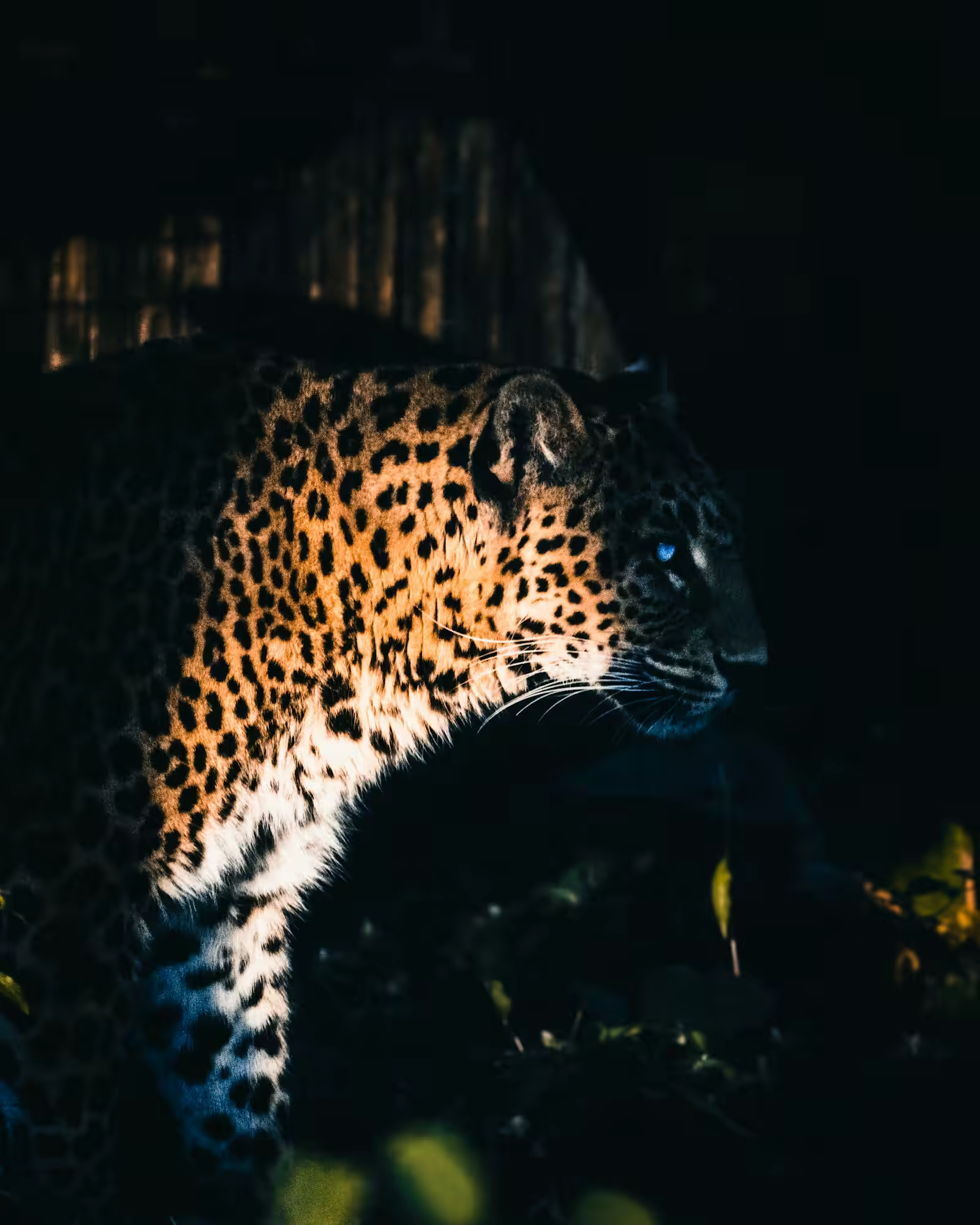
Leopard belongs to the wider Rajaji predator story. Their presence adds to the sense of real forest tension, even when they remain unseen.
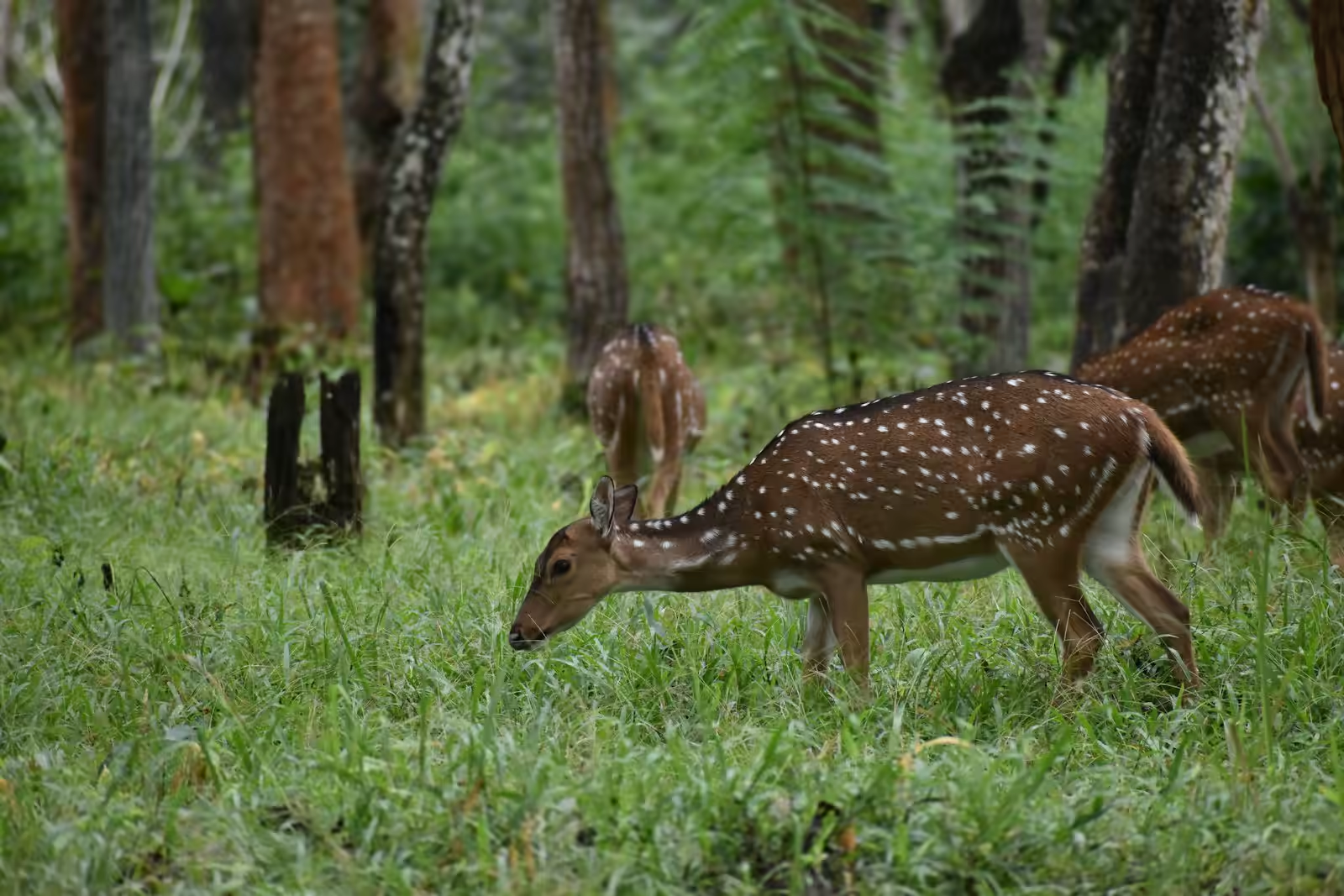
Deer sightings often provide the everyday movement that keeps Rajaji safaris lively, especially in clearings, edges and open stretches.
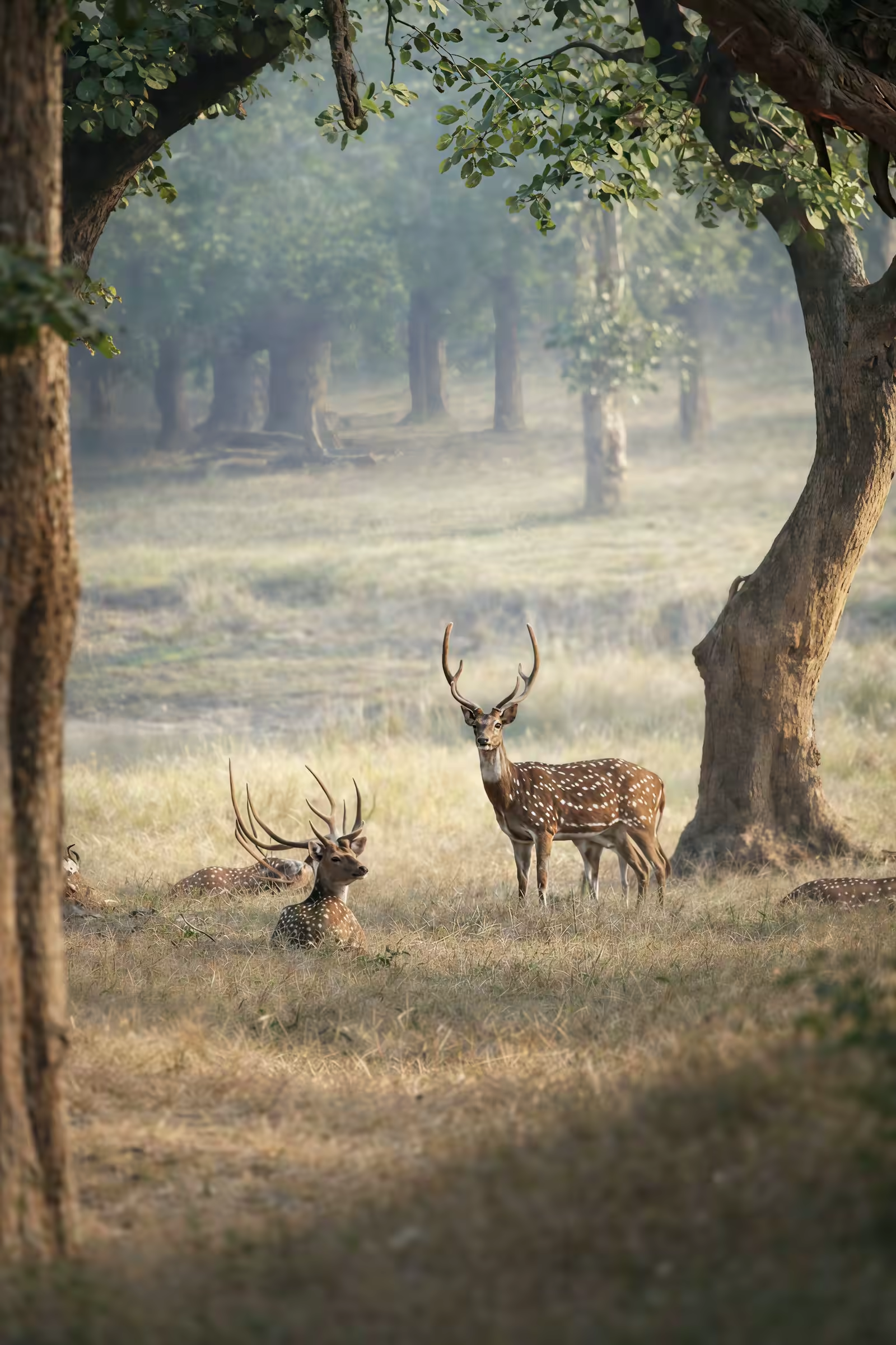
Sambar often contribute to the deeper forest mood of the safari and are one of the species that make quiet drives feel rewarding.
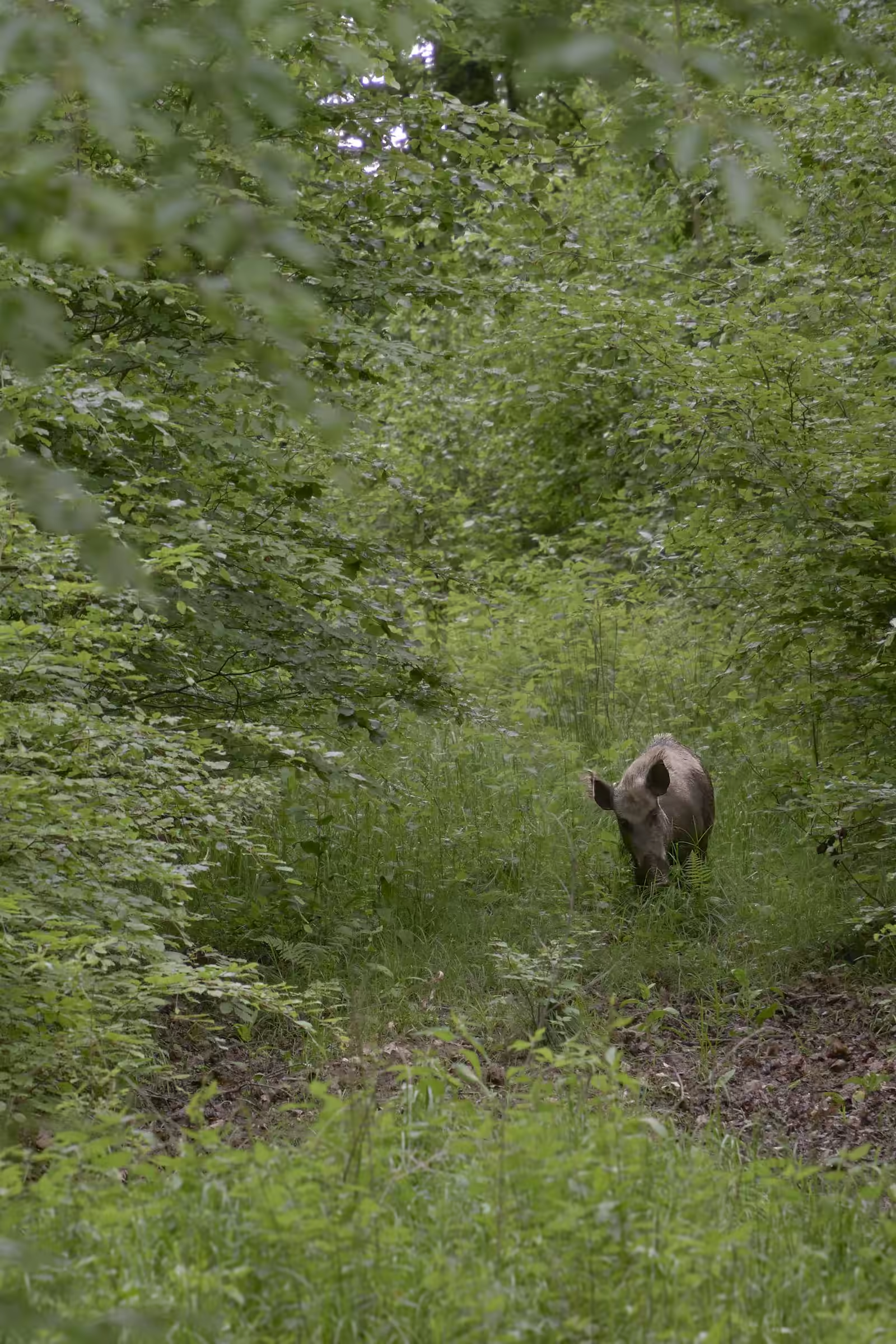
Wild boar are regularly part of the broader wildlife picture and fit well into Rajaji's mix of open patches, forest edges and varied terrain.
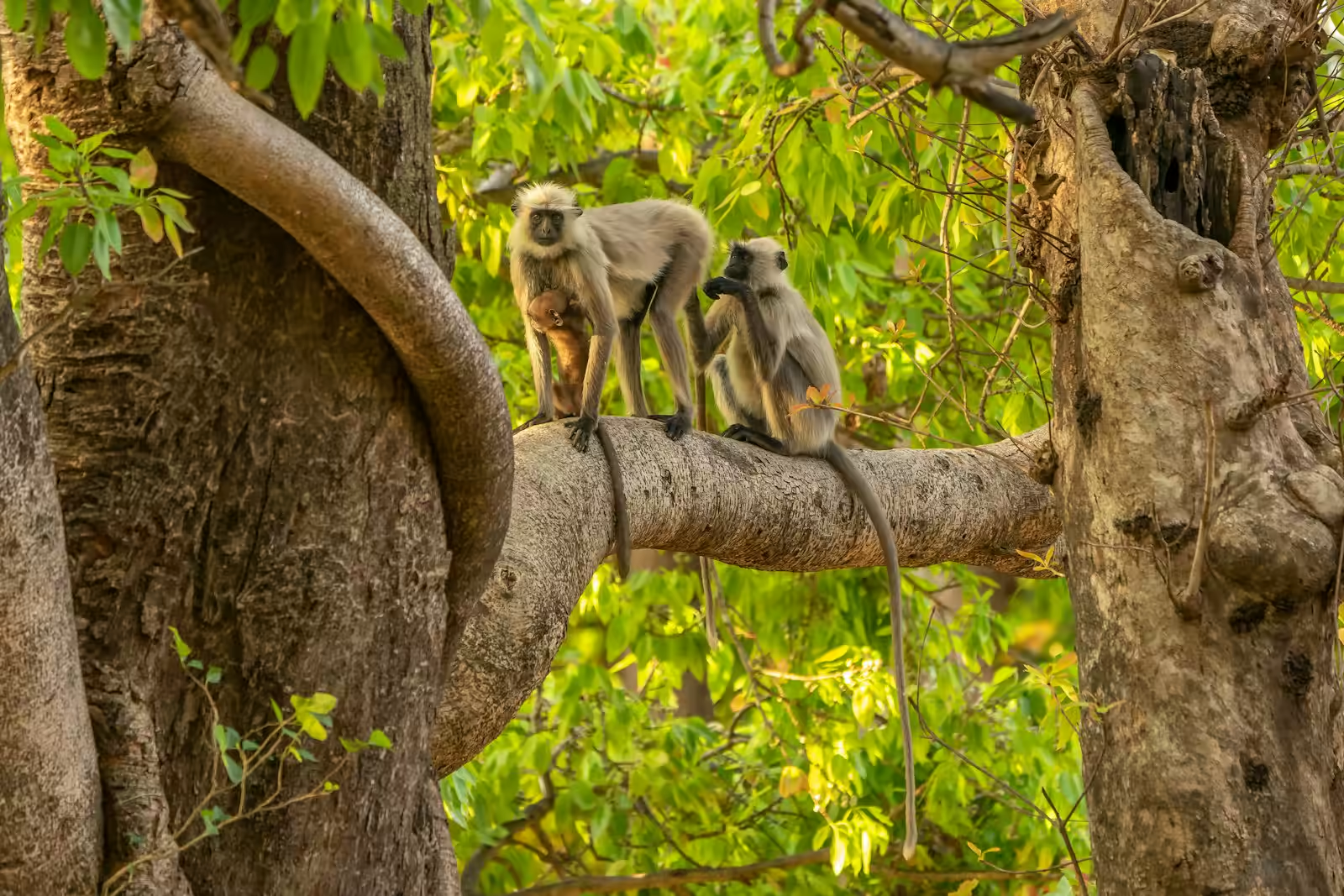
Langurs often become the most visible sign that the forest is alive above the road. Their movement adds rhythm and atmosphere to the drive.
With more than 315 bird species referenced across the larger landscape, Rajaji is rewarding for travellers who listen as much as they look. Hornbills, migratory birds and changing bird activity are part of why the park feels layered and alive.
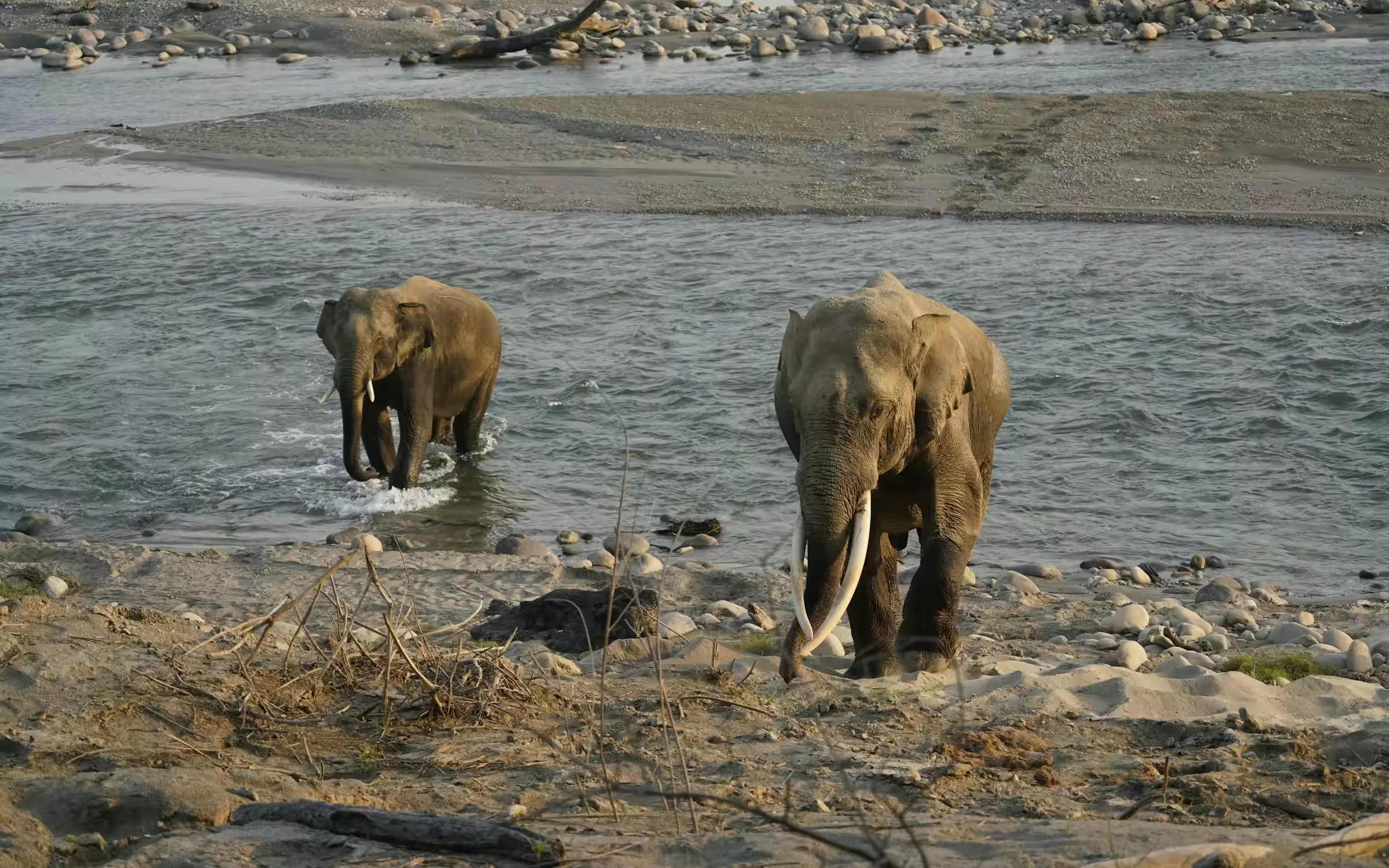
Habitat diversity is a major part of that story. Sal forest, riverbeds, wetland character, open clearings and foothill terrain all help create different visual and ecological moods across the park.
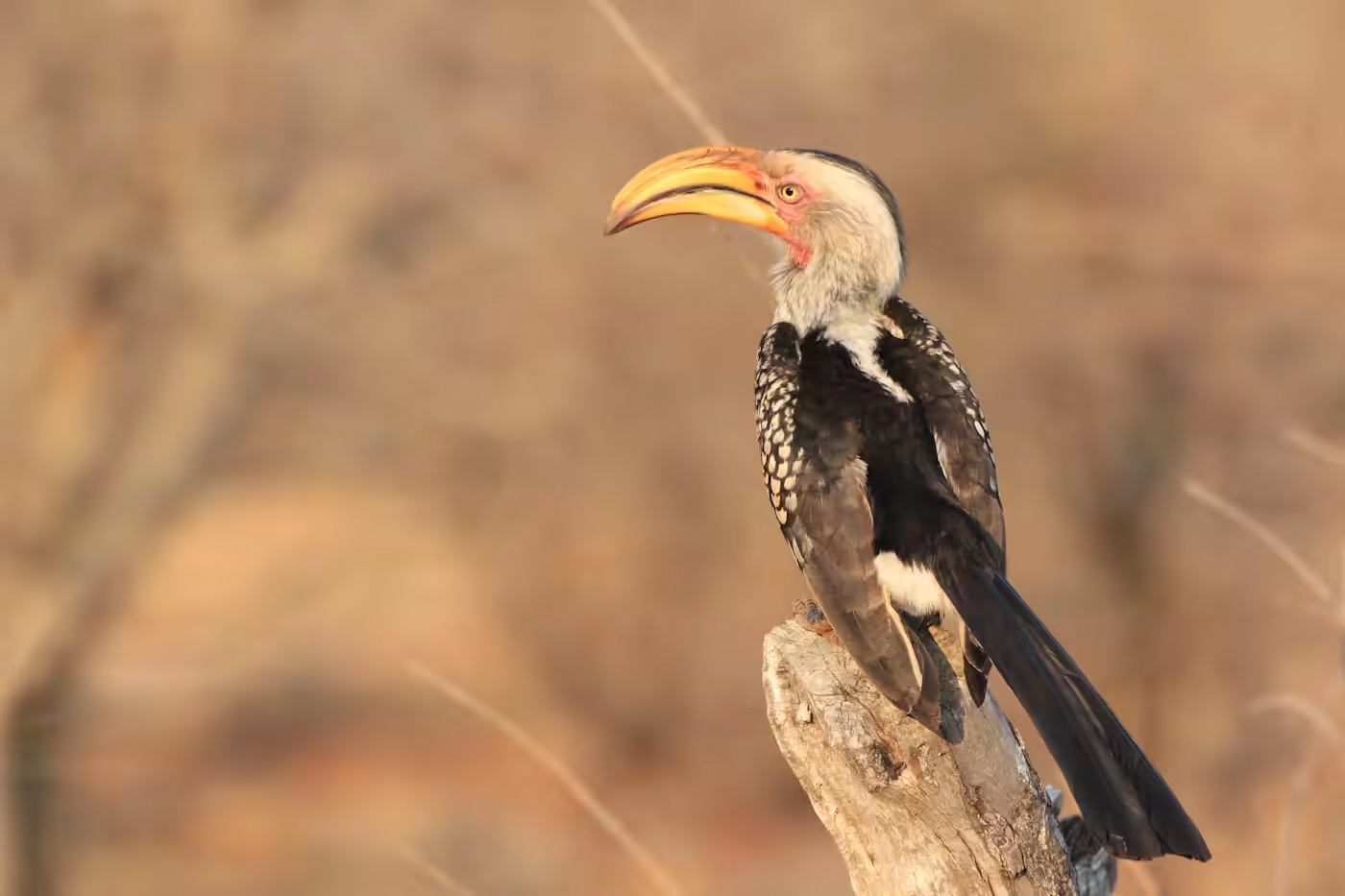
Birders and photographers usually enjoy Rajaji most when they slow down and treat sound, light and habitat shifts as part of the experience.
Photography and observation notes
Morning light is usually the strongest for scenic frames, wildlife context and a more comfortable shooting window.
Quiet zones, wetland mood and patient listening often matter more than covering maximum distance quickly.
Rajaji works well for families because the whole forest experience feels meaningful even when sightings stay subtle.
This is a real forest, not a guaranteed animal show. Respectful behaviour creates a better safari for everyone.
© 2026 Rajaji National Park. Private safari information & booking assistance.